When curiosity meets compassion
Dr. Ying Meng is helping pave the way for more personalized glioblastoma treatment
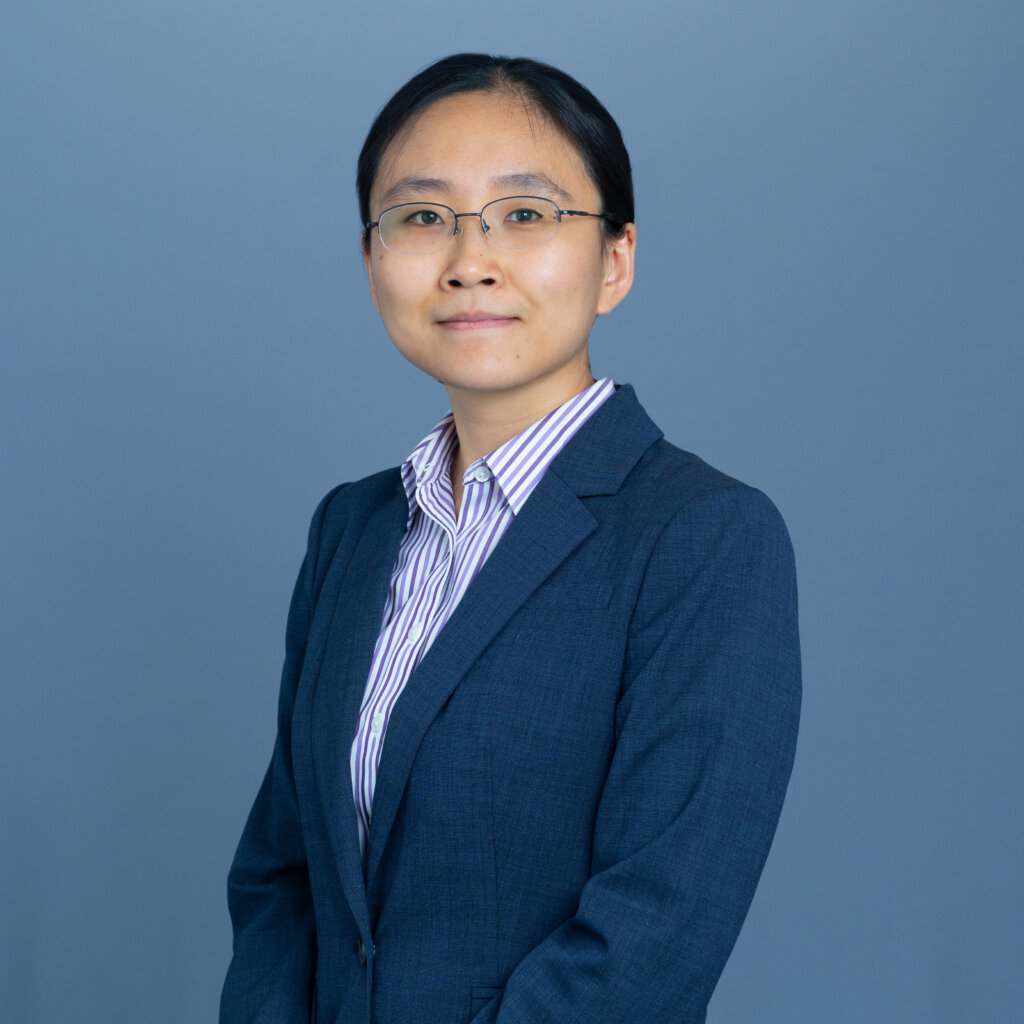
As a neurosurgeon, clinician-scientist and mother of two, Dr. Ying Meng balances a busy family life with a career dedicated to improving the lives of people living with glioblastoma. Combining compassionate patient care with innovative research, she’s working to turn new discoveries into better treatments.
Born in China, she immigrated to North America at the age of nine and Canada at the age of 11, an experience that continues to shape her perspective. Today, it influences not only the way she cares for patients, but also how she thinks about making clinical trials more accessible to people from diverse backgrounds and ensuring innovative treatments reach everyone who could benefit.
From engineering to neurosurgery
Ying’s career almost took a very different path.
After earning a degree in engineering, she was introduced to focused ultrasound during her neurosurgery residency at the University of Toronto.
“I was translating what engineers were working on into the clinic,” Ying says. “That was very exciting for me.”
Ying went on to complete a PhD, in focused ultrasound before returning to Toronto as a neurosurgeon and clinician-scientist.
Inspired by patients
Although Ying spends much of her time conducting research, it is her patients who continue to inspire her most.
She recalls one young father who, after a car accident led to the discovery of a high-grade glioma, courageously underwent awake brain surgery.
“He had such an incredible energy—very positive about doing everything he could to fight,” Ying says. “He had very young kids and showed me pictures of them. He told me his experience also inspired his children to want to help others through medicine and science in the future. It was truly inspiring.”
Advancing the future of glioblastoma research
As the recipient of an Allison Dunn Elevation Grant in GBM Research, Ying is studying how focused ultrasound can temporarily open the blood-brain barrier, allowing chemotherapy to reach brain tumours more effectively. Her team is also searching for biomarkers that may help predict which patients are most likely to benefit from the treatment, with the goal of bringing more personalized care to people living with glioblastoma.
For Ying, every breakthrough begins with a question—and every question leads back to the people she meets in the clinic.
“Their altruistic spirit is really remarkable,” she says of patients who volunteer for clinical trials. “They know this is something bad, but yet they’re able to bring themselves to these clinical trial visits.”
Their courage, she says, is what motivates her to keep searching for better answers.
Thanks to the generosity of the DUNN with Cancer community, those answers are one step closer. While larger grants support the clinical trial itself, donor funding makes it possible to explore the biological questions that could shape future treatments and ultimately improve outcomes for people living with glioblastoma.