Get Involved
There are so many ways you can help make a difference in the lives of patients and families today.

Glioblastoma (GBM) is the most common and deadly primary brain tumour. Despite very involved and expensive treatment consisting of surgical resection, radiotherapy and chemotherapy, as well as decades of research furthering our understanding of GBM biology, prognoses remain poor. In this talk, we’ll cover numerous aspects of GBM biology that contribute to its stubborn treatment resistance, including: how GBM survives the current standard of care; how cells die and what is altered in GBM relative to healthy cells in the brain; the cellular heterogeneity within a tumor and between patients; and the impact of the brain location on GBM biology, treatment resistance and anti-tumour immunity. In this webinar, you will learn to: Understand the major ways that cells die, and how changes to these pathways affect GBM treatment efficacy Be aware of the cellular diversity within a single GBM tumour and between patients that contributes to treatment failure Understand how the brain location contributes to GBM treatment resistance.
L earning Objectives:
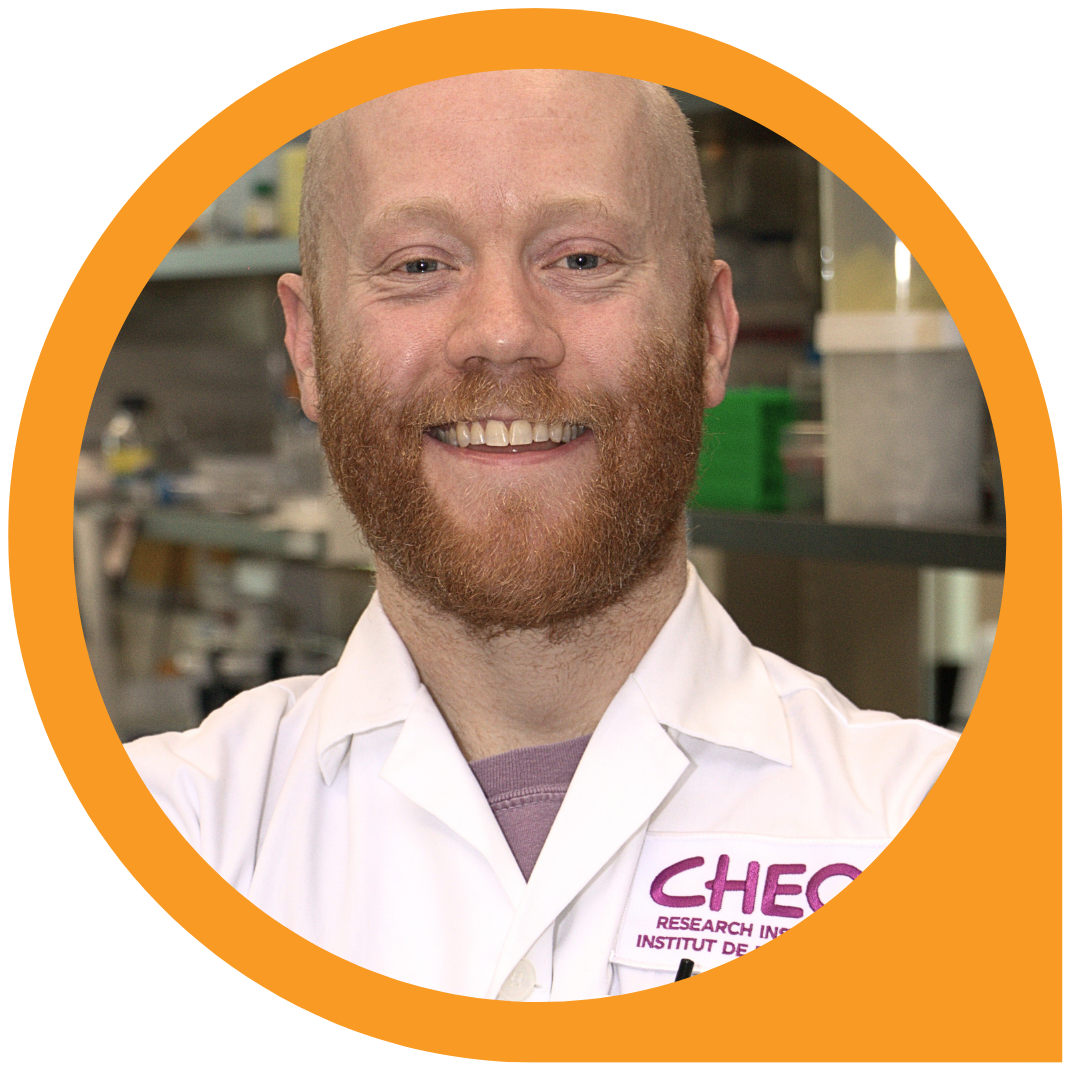
Dr. Kyle Malone completed his Master’s in Neuroscience and his PhD in Microbiology and Immunology, studying how cell death and the immune system shape new treatment possibilities for Glioblastoma. As a postdoctoral fellow at the University of Ottawa and CHEO Research Institute, he investigates ways to make GBM more vulnerable to treatment and to strengthen immune-based therapies. His work includes testing small-molecule drugs and engineered natural killer cells to improve the immune system’s targeting of GBM.