Lucas Asselstine – 2025 Studentship Recipient
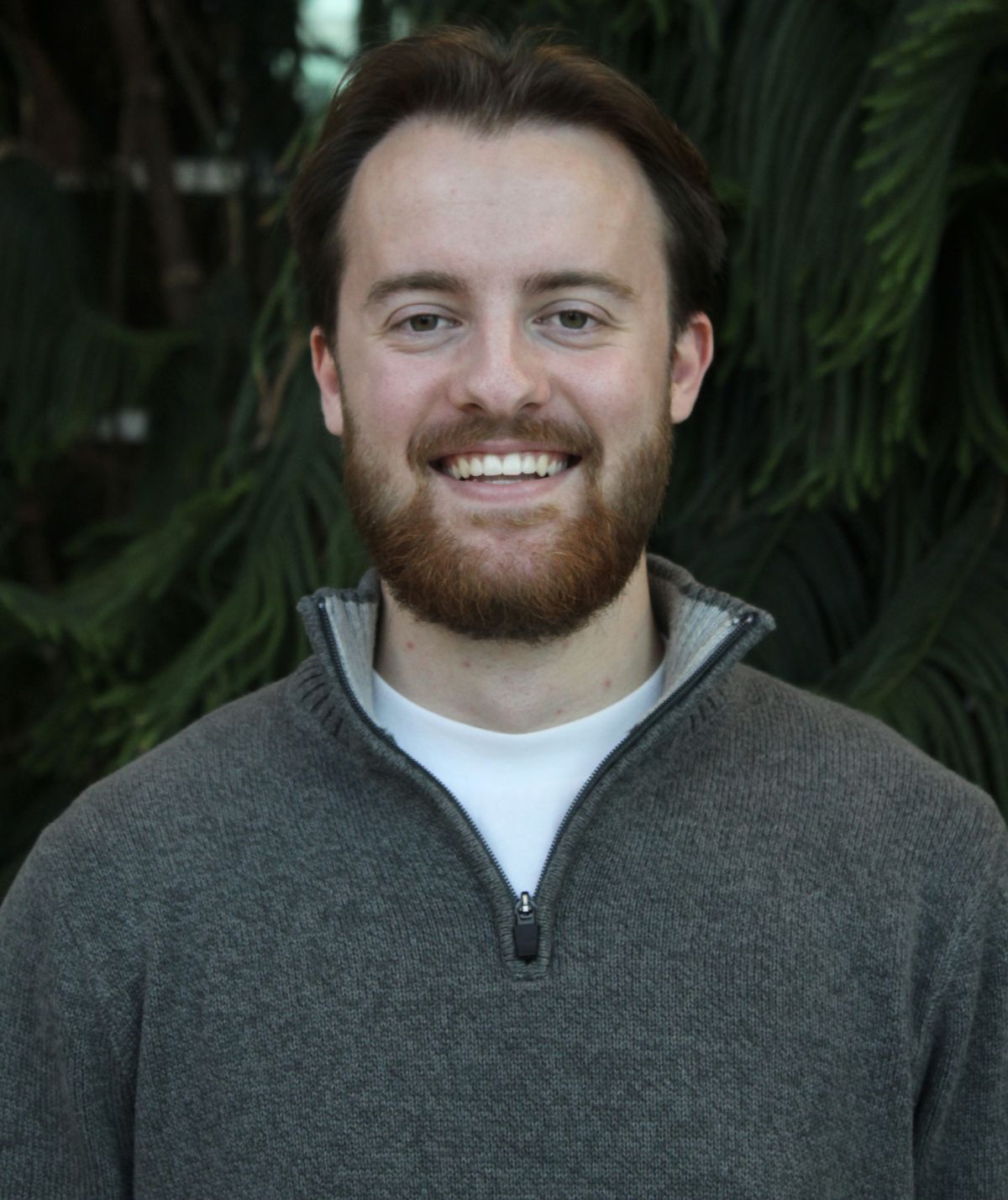 Undergraduate Molecular Biology and Genetics Student, McMaster University
Supervisor: Dr. Sheila Singh
Project title: “AI-driven drug discovery for recurrent glioblastoma: advancing patient-derived models to combat therapy resistance”
Generously funded by St. George Royal Canadian Legion
Impact of receiving the award:
Being awarded Brain Tumour Foundation of Canada’s Research Studentship is an honour with lasting impact. This opportunity enables students like myself to engage in meaningful, translational research to improve outcomes for individuals affected by brain cancer.
This summer, I will be investigating therapeutic vulnerabilities in glioblastoma, an aggressive and treatment-resistant brain tumour with limited effective treatment options and a poor prognosis. My work will take place in Dr. Sheila Singh’s Lab, where we explore innovative strategies to address unmet needs in neuro-oncology.
This research holds personal significance for me, having witnessed the impact of a brain cancer diagnosis firsthand with my mother. That experience continues to shape my dedication to patient-centred science and reinforces my aspiration to pursue a career as a clinician-scientist.
Through this studentship, I can contribute to a research environment that prioritizes innovation, collaboration, and clinical relevance. It provides a foundation for refining my experimental and analytical skills in ways that translate into real-world impact.
I am sincerely grateful to Brain Tumour Foundation of Canada and to the St. George Royal Canadian Legion whose generosity makes this experience possible. Their support empowers students to explore their potential and contribute meaningfully to the lives of patients and families.
Midpoint Report – October 2025
This summer in the Sheila Singh Lab at McMaster University, I focused on functionally validating novel lead compounds identified by a deep learning model designed to explore previously uncharted chemical space for therapies against recurrent glioblastoma (GBM). Recurrent GBM remains one of the most treatment-resistant cancers, with only four therapies approved in the past century, so the potential of leveraging machine learning to accelerate drug discovery is especially significant. My work involved testing compounds on patient-derived glioblastoma cells, which closely mirror the biology of the original tumours. Using in vitro assays, I assessed the compounds’ effects on cytotoxicity, stem-like properties, and toxicity to normal cells. By the end of the summer, we had successfully identified four promising lead compounds, which we now plan to evaluate further in patient-derived xenograft mouse models to better understand drug kinetics and therapeutic potential.
Receiving Brain Tumour Foundation of Canada’s Research Studentship has been instrumental in my scientific growth, not only in developing my technical and analytical skills, but also in deepening my connection to the brain cancer community and the impact of Canadian research on patients and their families. My experience at McMaster’s Centre for Discovery in Cancer Research reinforced my passion for translational neuro-oncology and reaffirmed my long-term aspiration of becoming a clinician-scientist dedicated to advancing treatments for this devastating disease.
In the coming months, I will remain involved in this project during my fourth-year thesis, supporting ongoing drug validation and preparing for the transition to in vivo testing this summer. These steps will help lay the groundwork for future clinical translation and bring us closer to developing novel therapies for patients facing recurrent glioblastoma.