
A legacy of kindness and strength
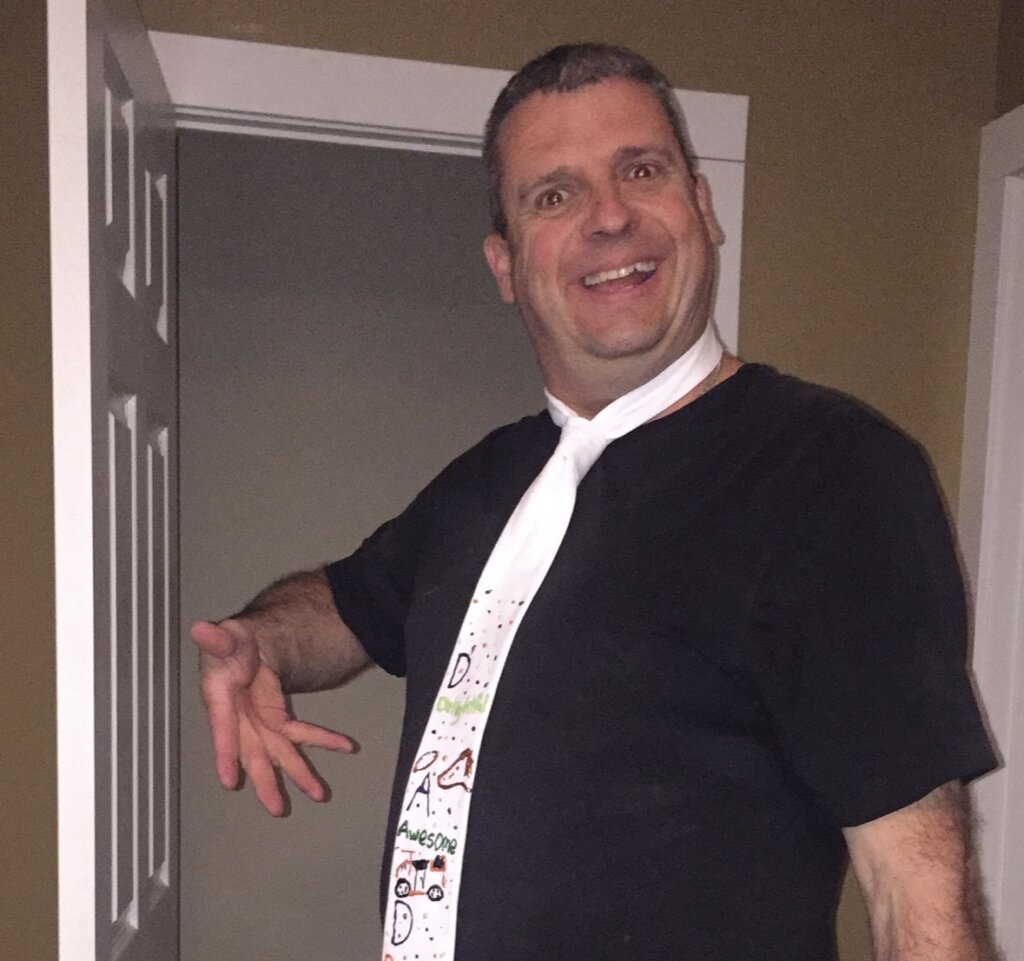
For Madisen Hiebert, remembering her dad, Ray, means remembering a man who would do anything for the people he loved.
A hardworking farmer turned sales manager, Ray was known for his kindness, generosity and willingness to lend a hand. Whether it was helping someone in need, spending time with his family or enjoying a quiet evening outdoors, he found happiness in life’s simple moments.
“If you needed $10 and he only had five, he would give you $5 and try to find $5 somewhere else,” Madisen recalls.
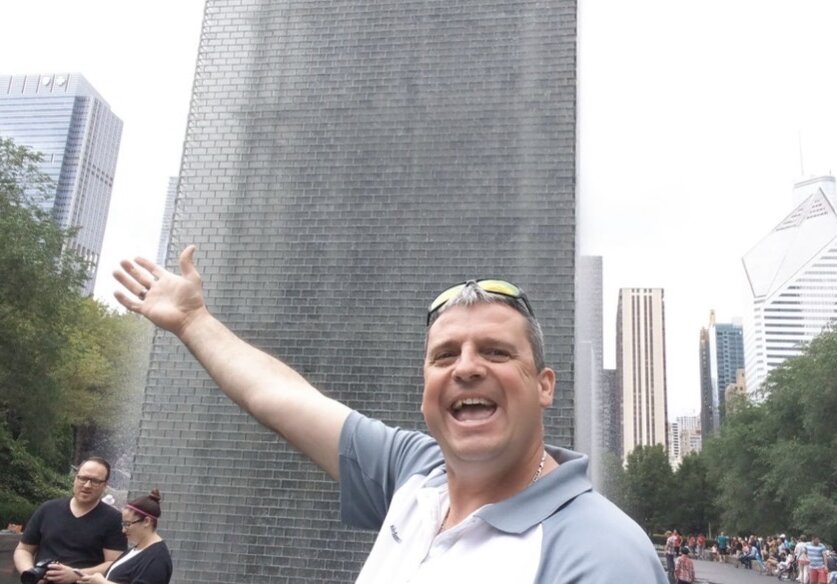
One of seven siblings, Ray grew up farming and continued working in agriculture until Madisen was about 13, when he became a sales manager with Penner Farm Services. A dedicated and hardworking employee, he earned the respect and admiration of his colleagues, many of whom continued visiting him long after he stopped working.
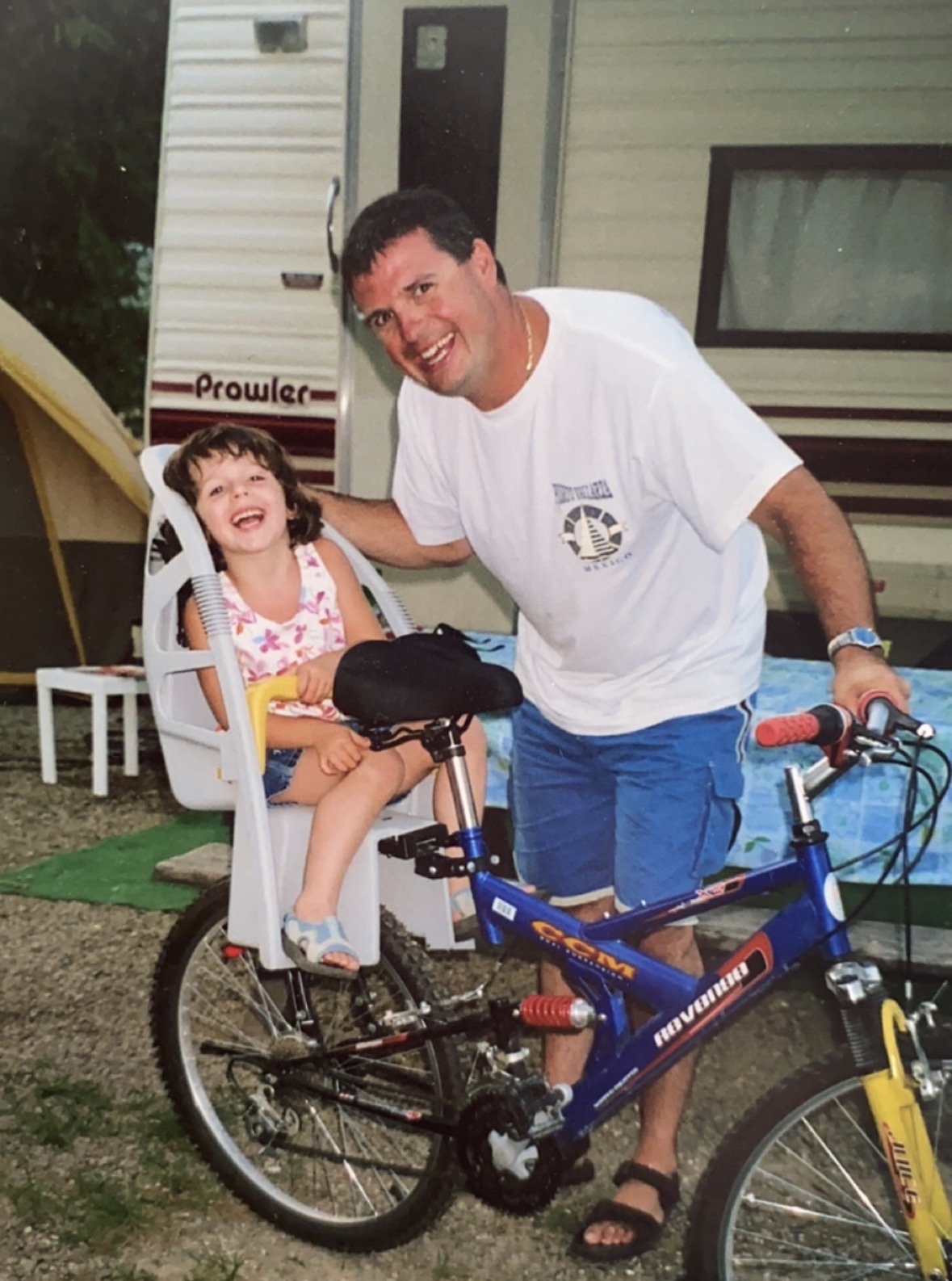
Outside of work, Ray loved horses, camping, bonfires and spending quiet evenings on the deck. Nothing meant more to him than his family, particularly his wife and three daughters.
An unexpected diagnosis
Ray was approaching his 50th birthday when he went for a routine medical appointment. He had experienced few symptoms, aside from some weight loss and increased thirst, which initially raised concerns about diabetes.
A colonoscopy, however, revealed cancerous polyps.
Ray began chemotherapy and radiation, followed by surgery and a temporary ostomy. After further treatment, the cancer spread to his liver, requiring another surgery in 2021.
For a brief period near the end of that year, scans showed no evidence of cancer.
The relief was short-lived.
Three months later, the cancer had returned, spreading to his lungs, lymph nodes and colon. It was now stage four.
Despite repeated rounds of treatment, Ray remained remarkably positive, approaching each new challenge with the same determination he had shown throughout his life.
In 2023, he began experiencing significant pressure at the back of his head. His family took him to the emergency department in Steinbach, Man., where a CT scan revealed a tumour in his cerebellum.
They were told the findings would be forwarded to his oncology team, but after two weeks without an update, the family returned to the emergency department.
What followed was a frustrating and frightening experience as they pushed for Ray to receive the care he needed.
Eventually, he was transferred to Health Sciences Centre in Winnipeg, where he underwent surgery to remove the brain tumour.
For approximately a year afterward, Ray was doing relatively well, considering his ongoing cancer treatments.
In early 2025, his condition began to deteriorate.
Scans revealed that the brain tumours had returned, with additional tumours appearing toward the front of his brain. He underwent further Gamma Knife radiation treatment, after which he experienced a seizure. Around the same time, the family learned that cancer had also spread to his spine.
Following one final round of chemotherapy, Ray made the difficult decision to discontinue treatment and transition to palliative care.
Saying goodbye
In July 2025, Madisen moved back into her parents’ home in Grunthal, Man., to help care for her dad.
As his health deteriorated, the family watched him gradually lose the ability to do things he had once done for himself.
Ray died in October 2025, after years of treatment and uncertainty.
For Madisen, the year since his passing has been filled with both gratitude and grief.
“You have good days and bad days,” she says. “As a family, we all have those days.”
Special occasions can be particularly difficult. On the day Madisen shared her dad’s story, her parents would have been celebrating their 38th wedding anniversary.
“All those events are just little reminders that he’s not here anymore.”
While knowing that Ray is no longer suffering brings some comfort, Madisen says losing him has meant grieving not only his death, but also the changes cancer brought to his life.
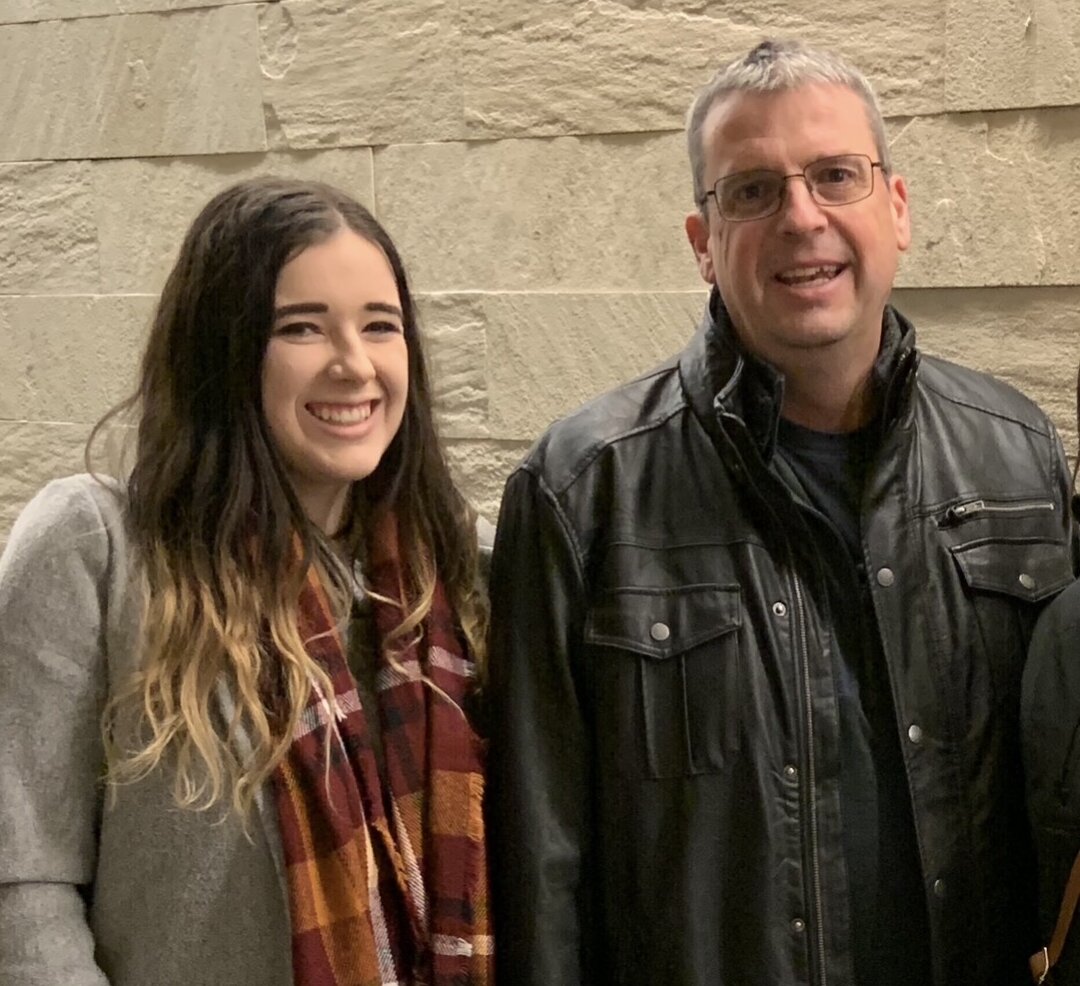
“My dad was a strong, independent man who could make himself a cup of coffee,” she says. “You’re still grieving that person and then also the person he became during his cancer journey.”
She finds comfort in remembering how positive he remained, even in the most difficult circumstances.
The importance of advocating for loved ones
Madisen hopes that sharing her dad’s story will encourage others facing a brain tumour diagnosis to advocate for themselves and their loved ones.
She recalls the family’s experience in 2023, when Ray’s brain tumour was first discovered.
After waiting two weeks without hearing from his oncology team, the family returned to the emergency department. Madisen says they waited approximately eight hours before seeing a doctor, only to be told they might have to return home because oncology services were unavailable at that time.
Her mother refused to leave without getting Ray the help he needed.
“We had to fight and we had to push,” Madisen says. “That’s the reason why we ended up getting to HSC and getting that emergency surgery.”
While she emphasizes her family’s gratitude for the health-care professionals who cared for Ray, she believes patients and families need to feel empowered to speak up.
“You want to trust your health-care workers,” she says. “They do an amazing job and we’re so grateful for them, but we also have to be able to stand up and make sure that you’re advocating for your loved ones.”
It’s a message she now shares with others who find themselves navigating a similar journey.
“Make sure you advocate when you’re going in and your loved ones need care.”
Remembering Ray
When Madisen thinks about the legacy her dad leaves behind, it’s not only his strength throughout his cancer journey that stands out.
It’s his integrity, his generosity and the way he put others first.

“He was just very kind,” she says. “He had a lot of integrity, and he was always willing to help other people.”
Those qualities continue to influence how Madisen approaches her own life. Even at work, she sometimes finds herself thinking about what her dad would do in a particular situation.
It’s one way she hopes to keep a part of him alive.
Despite everything Ray experienced, Madisen says he never lost sight of the possibility that his journey might help someone else.
“If the reason I got cancer was to make a difference in someone else’s life, then that’s why I have it,” she recalls him saying.
It’s a sentiment that captures the selflessness of a man who spent his life helping others.
By sharing his story, Madisen hopes to honour that same spirit, reminding others of the importance of kindness, compassion and standing up for the people they love.
“He was a strong guy that had an unfortunate thing occur in his life,” she says. “He took it in stride. He was very positive.”
For Madisen and her family, that is the Ray they will always remember.