
Learning to appreciate the ordinary: Rabia’s story
The warning signs
Before her diagnosis, Rabia worked full-time teaching English to newcomers at the New Canadian Centre of Excellence in Windsor. Along with raising her two children, she was navigating difficulties in her marriage and had taken on additional evening classes to help support her family.
With the pressures of work, parenting and challenges at home, Rabia was under considerable stress. When she began experiencing headaches, dizziness and ringing in her ears, she initially attributed the symptoms to anxiety.
Her family doctor also believed stress could be responsible, particularly given the challenges she was facing in her personal life.
But her symptoms continued to worsen.
In December 2024, while attending a workplace celebration before the Christmas holidays, Rabia suddenly experienced weakness on the right side of her body. The items she was holding fell from her hand.
Although she remained conscious and recovered within minutes, the episode frightened her. She visited her family doctor that day but was told it may have been a panic attack.
Over the following months, her headaches became more frequent, and the dizziness intensified. By April, even walking from the parking lot to her workplace had become difficult.
“I had to stop many times in between to get to my office,” she recalls.
Despite her growing concerns, the symptoms continued to be attributed to stress. Rabia even asked whether she should have a CT scan, but further imaging was not recommended at the time.
On May 13, she experienced an especially severe headache and called an ambulance. After being assessed by paramedics, she decided to remain at home and follow up with her family doctor.
The next day, her doctor recommended further testing, including a CT scan. Concerned about her health and caring for her children on her own, Rabia asked her parents to come from Markham, Ont.
They arrived that evening.
By the following morning, everything had changed.
A life-changing diagnosis
When Rabia’s daughter discovered her having a seizure on May 15, she immediately called for help.
At the hospital, a CT scan revealed a mass in Rabia’s brain. An MRI confirmed a large tumour that was putting pressure on her brain and causing seizures.
Doctors performed emergency surgery at Windsor Regional Hospital, removing most of the tumour.
But Rabia’s condition remained critical.
Attempts to remove her from the ventilator were unsuccessful because she continued to experience seizure activity. Her medical team warned her family that she might not survive or could experience permanent neurological complications, including paralysis or memory loss.
Meanwhile, family members travelled to Windsor to be by her side and support her children.
Rabia regained consciousness on May 24, with no memory of the preceding days.
Despite the frightening possibilities her family had been given, she gradually recovered her speech, movement and strength. With physiotherapy and rehabilitation, she regained her physical abilities.
Initially diagnosed with a grade three diffuse glioma, Rabia later learned that the final pathology identified the tumour as an oligodendroglioma.
She went on to receive radiation and chemotherapy before transferring her care to Princess Margaret Cancer Centre in Toronto, after moving to Markham with her children.
As of July 2026, Rabia had completed 11 rounds of maintenance chemotherapy. With her tumour stable, her medical team planned to review her next MRI before deciding whether another round was necessary.
Finding strength through connection
Although recovering physically was an important milestone, coming to terms with her diagnosis was another challenge entirely.
Rabia remembers the fear and uncertainty she experienced in the early days, particularly as a mother.
“I wrote a couple of letters for my kids because I didn’t know,” she says, reflecting on how uncertain her future felt.
Over time, connecting with others affected by brain tumours helped shift her perspective.
Through Brain Tumour Foundation of Canada’s virtual support group, which meets every second Monday, Rabia found opportunities to hear from people navigating similar experiences.
Learning about their journeys helped her feel less alone and encouraged her to focus on the present rather than the uncertainty ahead.
“It’s better to live every moment and enjoy the life that I have right now,” she says, “instead of worrying over what’s coming next.”
Her faith has also played an important role in helping her navigate her diagnosis.
“I know it’s very hard, and to stay positive is easier said than done, but have patience, have faith,” she says.
For Rabia, staying active and spending time with her children have become important parts of her daily life. She enjoys going for walks, playing with her kids and appreciating the ordinary moments that once seemed easy to overlook.
A new chapter for her family
Rabia’s diagnosis also brought significant changes to her personal life.
Following her surgery, she made the difficult decision to separate from her husband. With her health and her children’s well-being at the forefront, she moved to Markham, where they now live with her parents.
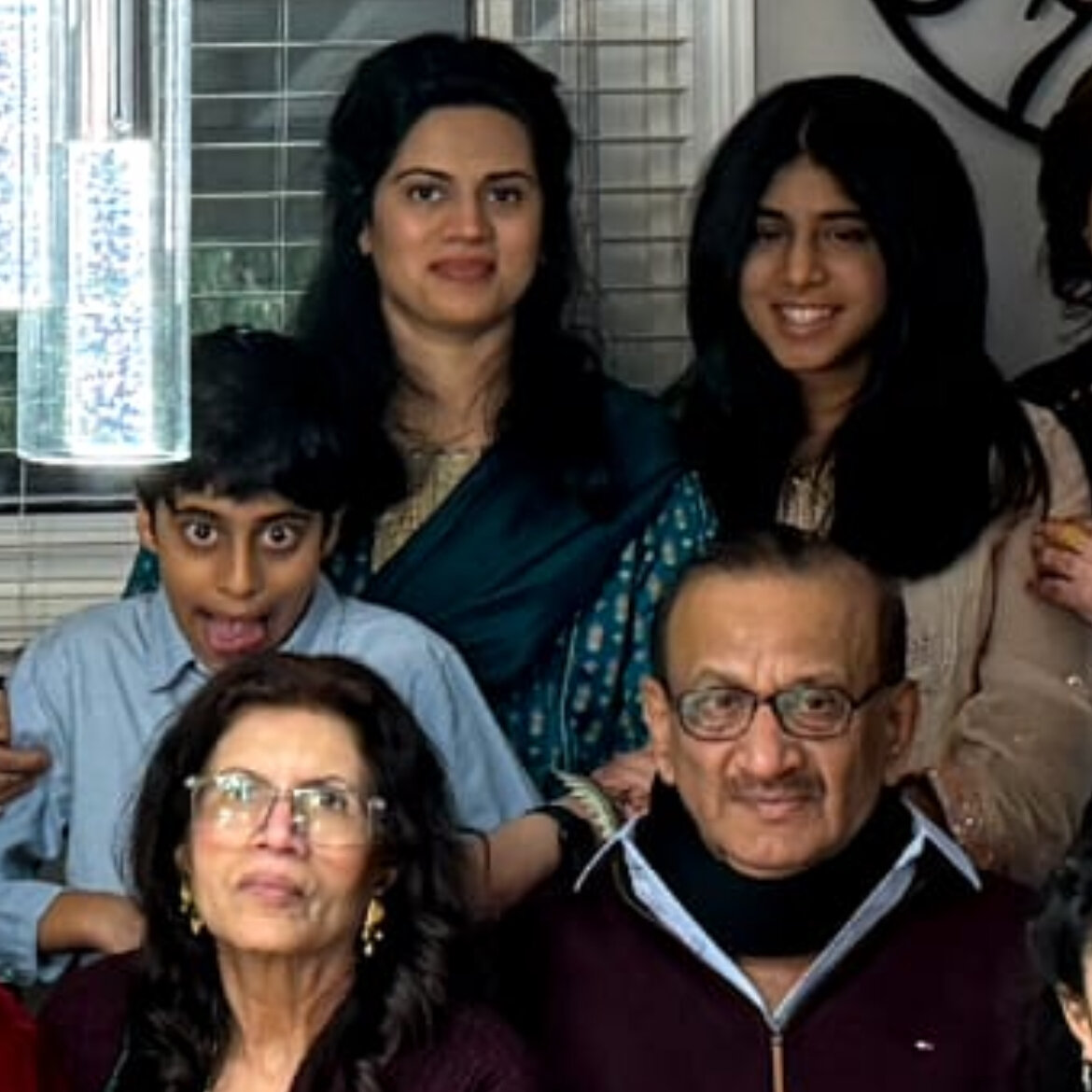
The transition was challenging, particularly for her children, who were coping with their mother’s illness and significant changes to their family life.
For Rabia, the experience reinforced the importance of surrounding herself with people who genuinely care for her.
“Life is more worth living with the people who care for you, truly,” she says.
Her parents and brothers have been an extraordinary source of support throughout her recovery.
“I wouldn’t have been able to go through this time without my parents’ and brothers’ help,” she says.
Her mother, a former doctor in Pakistan, and her father, a retired army officer, have helped care for Rabia and her children as she continues treatment.
Today, Rabia is focused on rebuilding her life and creating a sense of stability for her family. Although she hopes to return to work in the future, her medical team has advised her to wait until she completes active treatment.
In the meantime, she is teaching her children to appreciate the small things.
“My tumour is now stable, and I’m grateful for that every day,” she says.
She talks to her children, Qanita and Taha, about the importance of recognizing what they have, rather than focusing only on what they want.
Even something as simple as being able to walk independently has taken on new meaning. “These are very ordinary things which we forget,” she says.
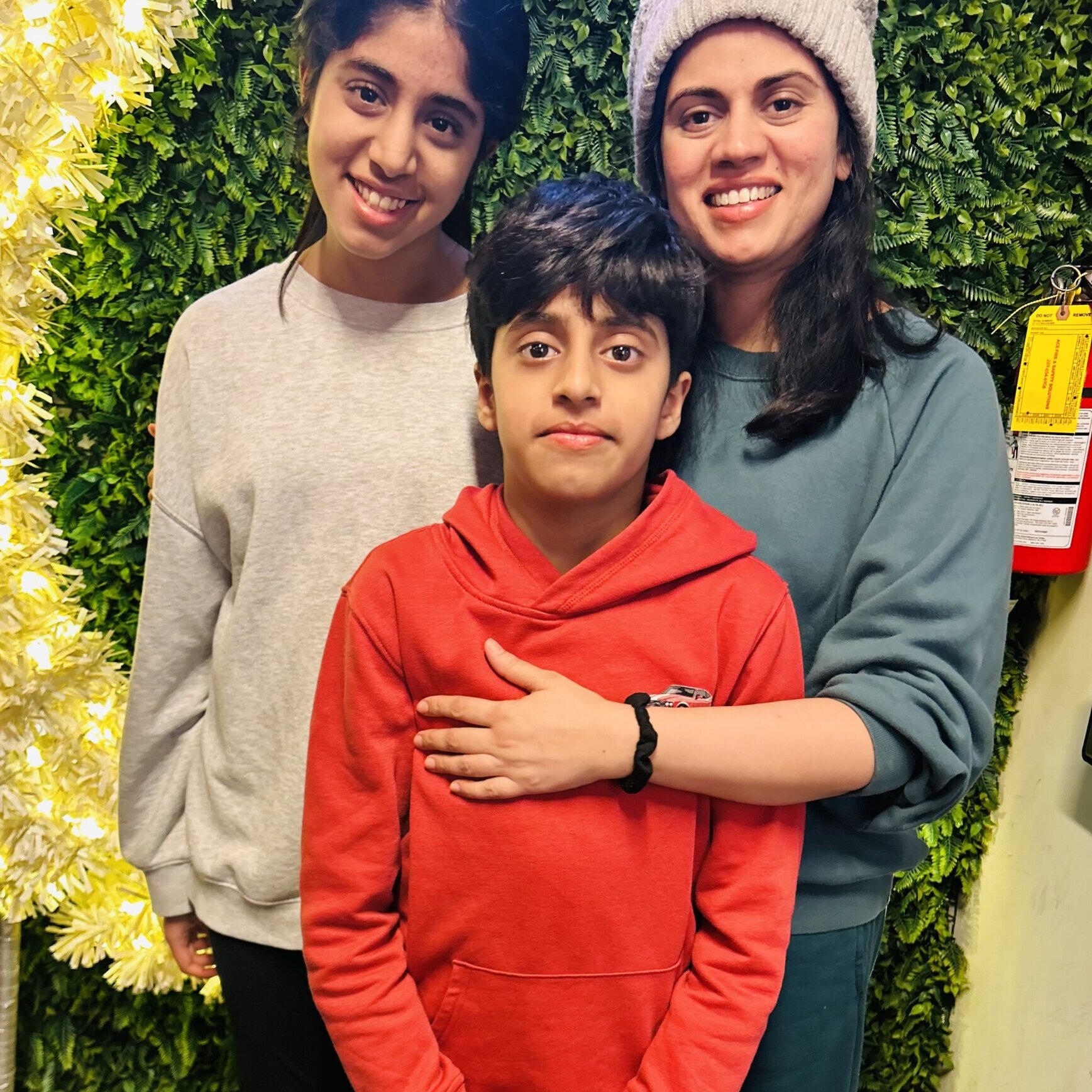
Appreciating the everyday
Rabia’s experience has also inspired her to support others facing a brain tumour diagnosis.
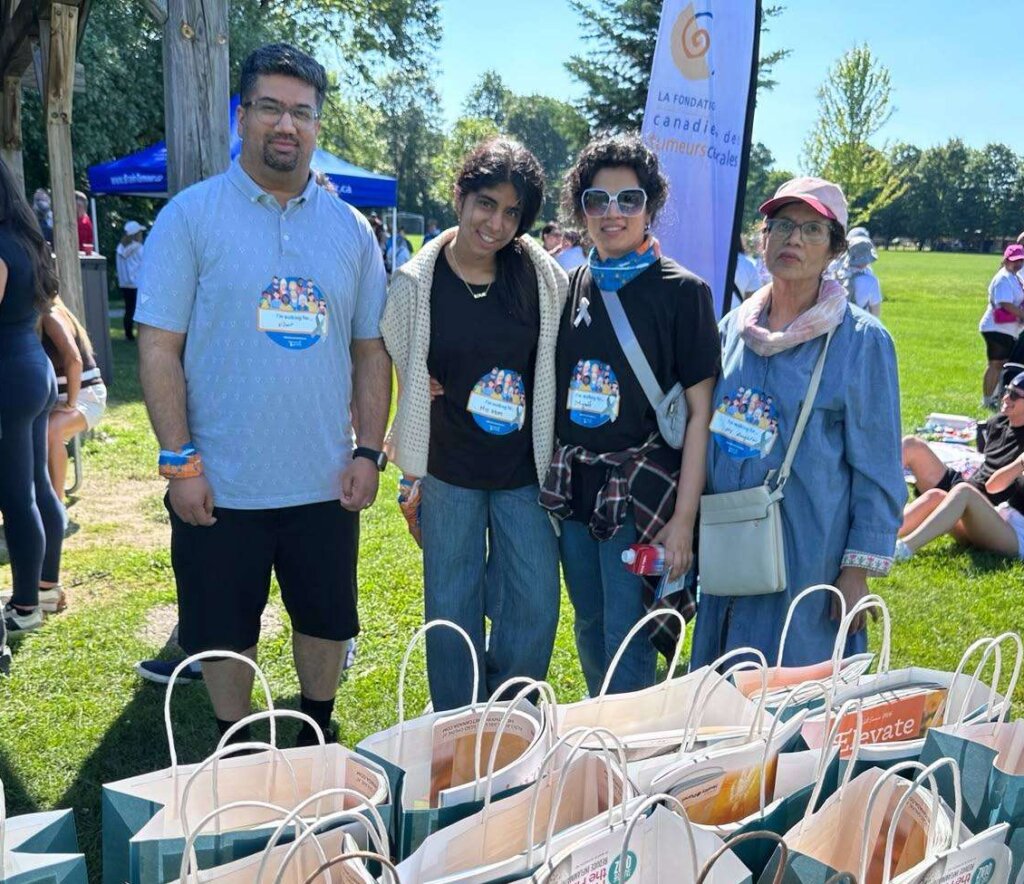
In 2026, she participated in the Brain Tumour Walk in Aurora, Ont., raising approximately $1,000 for Brain Tumour Foundation of Canada.
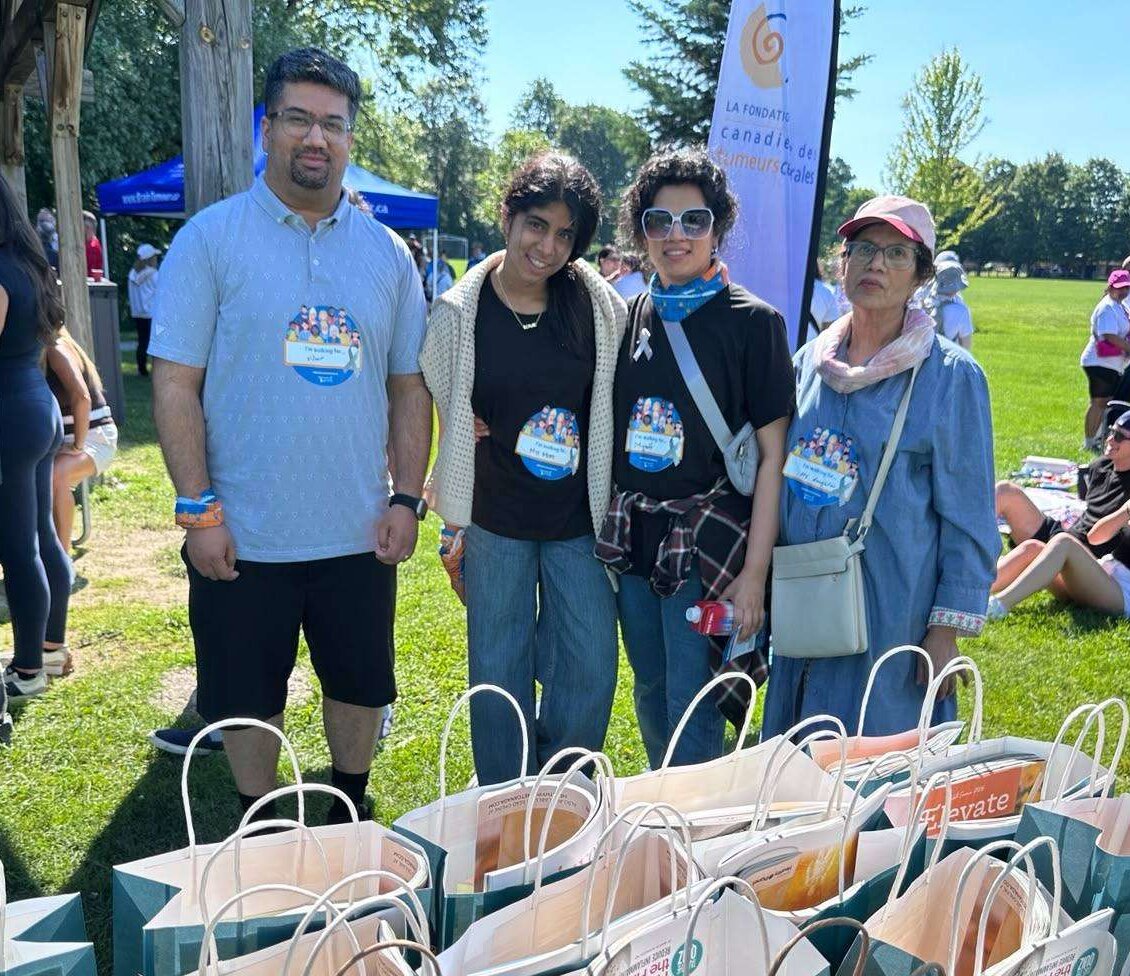
It was a meaningful opportunity to give back to a community that has helped her through one of the most difficult periods of her life.
Her journey has also made an impression on her daughter, who is now interested in becoming a doctor or nurse so she can help others.
Rabia says she has developed a deep appreciation for the doctors, nurses, volunteers and community members who support people affected by cancer.
Looking ahead, she hopes to continue rebuilding her life, raising her children and finding ways to support others facing illness.
She knows that uncertainty will remain part of her journey. But rather than allowing fear of the future to overshadow the present, she is learning to focus on the people and experiences that matter most.
Her advice to others facing a similar diagnosis is to surround themselves with people who genuinely care for them, have patience and find strength in whatever gives them hope.
For Rabia, that means family, faith, community and a renewed appreciation for everyday life.