Driven by hope
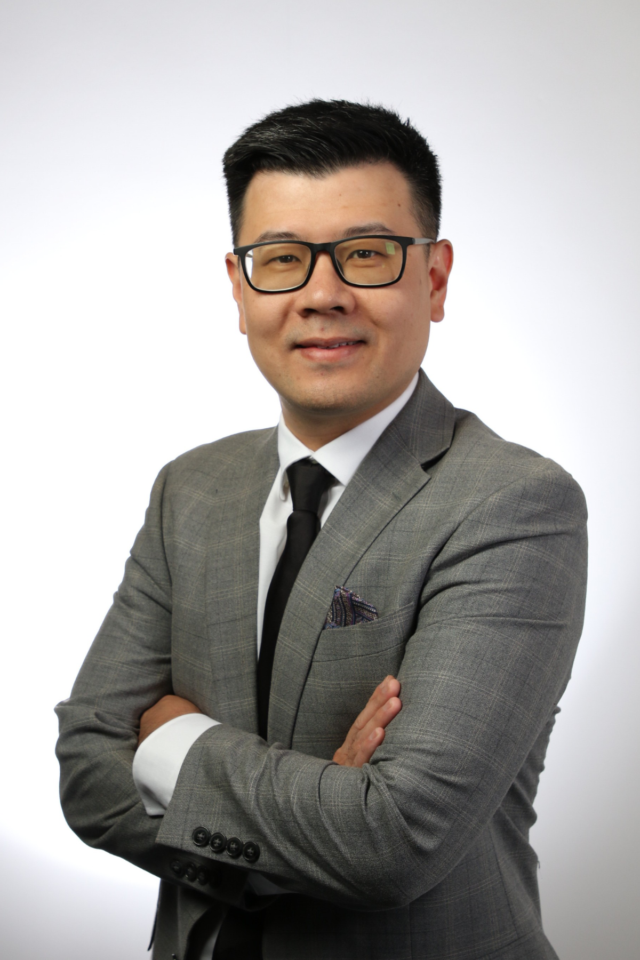
Inspired by his brother’s journey, Dr. Kevin Wang is advancing research that could change the future of glioblastoma care
For Dr. Kevin Wang, brain tumour research is more than a career.
His brother is a brain tumour survivor whose experience inspires his work and continues to influence the questions he asks as a physician and researcher.
“It really informs the research that we do,” he says. “We need to offer better options. We need to support our patients better.”
Outside the clinic and laboratory, Kevin shares two young daughters with his wife, a fellow clinician-scientist. Whether camping, travelling or simply spending time outdoors together, these moments remind him why this work matters so deeply.
A privilege and a responsibility
Kevin cares for people facing some of the most challenging cancer diagnoses while building a translational neuro-oncology research program focused on improving treatments. For him, the two roles are inseparable.
He describes being part of what is often one of the most difficult seasons in a patient’s life as a privilege and a responsibility. The conversations in the clinic don’t end when he leaves for the lab. Instead, they inspire the research questions he pursues, always asking how discoveries made in the laboratory can translate into better care for the people sitting across from him.
The future of personalized care
As the recipient of an Allison Dunn Elevation Grant in GBM Research, Kevin is studying why immunotherapy works for certain cancers but not others. His goal is to better understand the biology behind each patient’s tumour so treatments can one day be tailored to the individual rather than relying on a one-size-fits-all approach.
That vision of personalized medicine is what keeps him motivated.
Rather than offering every patient the same treatment, Kevin hopes future physicians will be able to identify the unique characteristics of each tumour and match patients with the therapies most likely to help them.
“It’s kind of the ultimate goal,” he says. “To be able to make an impact on patients.”
The impact of giving
For Kevin, donor support plays a vital role in making that future possible. Brain tumours remain one of the most underfunded areas of cancer research, he explains, making philanthropic investment essential for high-risk, high-reward projects that have the potential to transform care.
“We need to fund projects that are high risk, high reward,” he says. “Those are going to be ultimately what’s going to make an impact.”
Thanks to the generosity of the DUNN with Cancer community, researchers like Kevin are able to pursue bold ideas that could lead to more personalized treatments—and, ultimately, more hope for people living with brain tumours.