Rebuilding through research
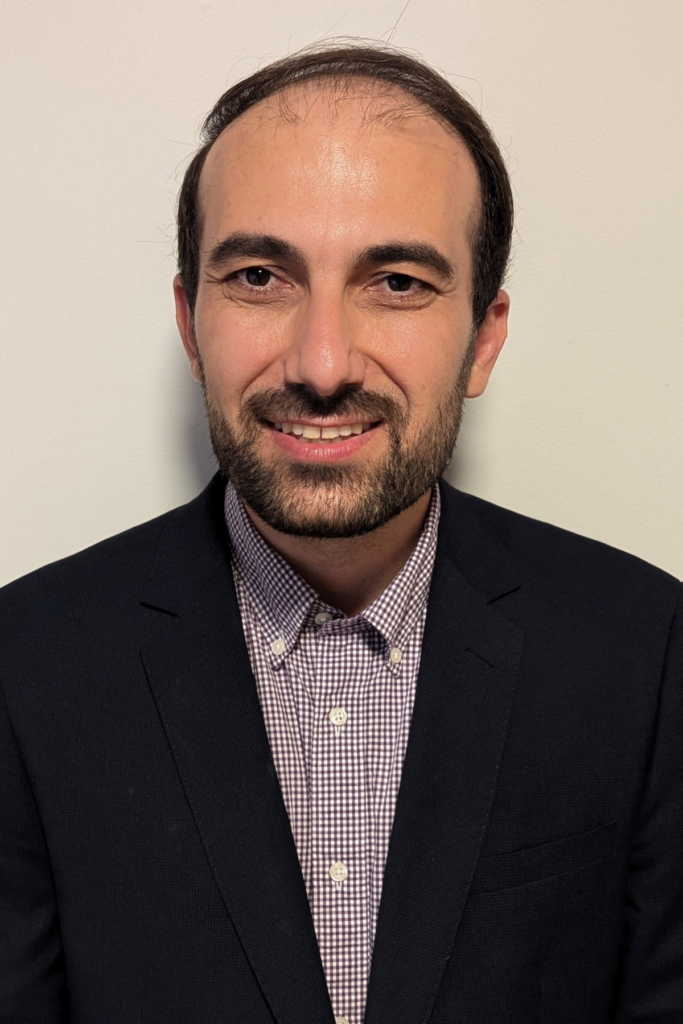
When Dr. Rober Abdo isn’t in the lab, chances are you’ll find him kicking a soccer ball with his son, cooking for his family or watching Japanese animated films with his wife and three children. The movies have become more than family entertainment—they’re also a way for his children to learn their mother’s language and stay connected to their heritage.
Just a few years ago, however, his life looked very different.
Starting over
Originally from Syria, Rober worked as a pediatrician before war forced his family to flee their home. After spending a year in Lebanon, Rober immigrated to Canada in 2018, where he faced the daunting challenge of rebuilding his career from the ground up.
Rather than returning immediately to clinical practice, Rober chose a new path. He completed a master’s degree at Western University before earning his PhD in Pathology and Laboratory Medicine.
“The first year was kind of an adjustment moving from the clinic to research,” he says. “But after that, I’ve really been enjoying it.”
Understanding recurrence
His interest in brain tumour research began with brain metastases, where he was struck by the devastating impact these cancers have on patients and families. As his work evolved, so did his focus, eventually leading him to glioblastoma, one of the most aggressive forms of brain cancer. He was drawn not only by the urgent need for better treatments, but also by the opportunity to better understand one of the body’s most complex organs.
Today, as the recipient of the DUNN with Cancer Research Fellowship, Rober is investigating how a protein called PTK7 helps glioblastoma cells interact with the surrounding brain environment, creating conditions that allow tumours to return after treatment. By identifying the biological mechanisms driving recurrence, his research aims to uncover new therapeutic targets that could ultimately improve outcomes for people living with glioblastoma.
“It’s going to add hope,” he says. “Funding like this helps turn hope into reality.”
Research with heart
For Rober, success isn’t measured by publications or awards.
“The ideal situation for me,” he says, “would be to hear a patient saying this research has been really impactful.”
That patient-first perspective also shapes the way he approaches research. Reading the stories of people living with brain tumours reminds him that every sample, every experiment and every discovery represents a person and a family searching for hope.
“We need to know the story behind the patients,” he says.
Donor support through the DUNN with Cancer community makes that work possible. According to Rober, philanthropic funding provides researchers with access to the advanced technologies needed to study tumours in greater detail, helping them ask bigger questions and move discoveries closer to patients.
For someone who rebuilt his life and career in a new country, every discovery represents more than scientific progress. It is another step toward better treatments for families facing glioblastoma.