The impact of volunteering on patient care
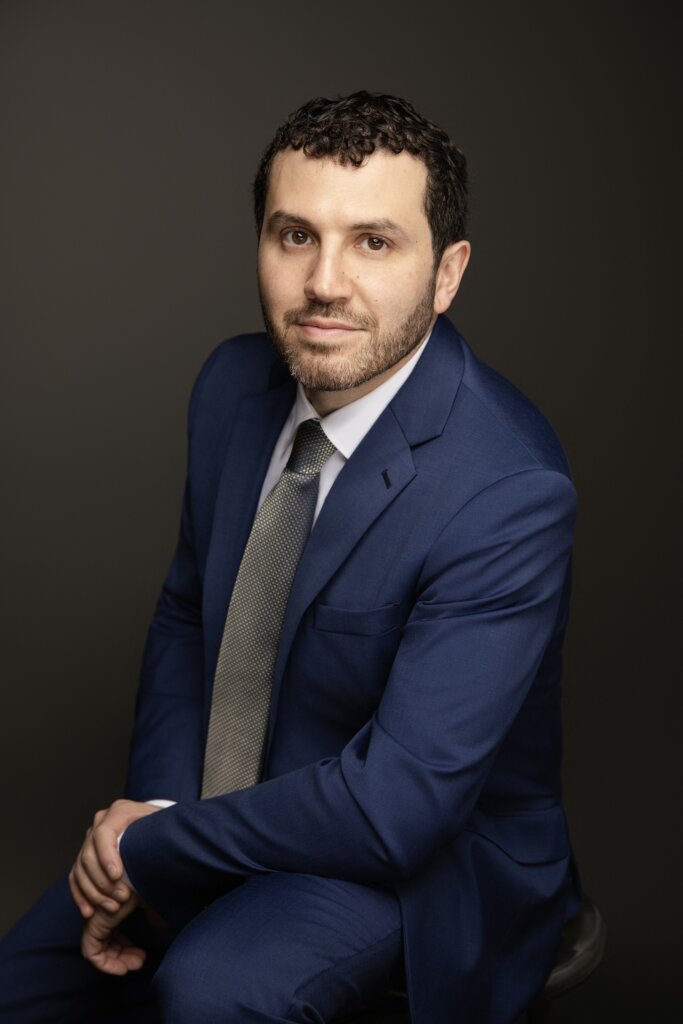
On any given day, Dr. Danny Mendelsohn may be in the operating room, performing delicate brain tumour surgery. It’s work that requires precision, focus and years of training. It’s also work he feels deeply committed to, placing him at a critical moment in a patient’s journey.
It wasn’t until he stepped outside the hospital and began volunteering with Brain Tumour Foundation of Canada that he began to see that journey more fully.
“I’ve always cared deeply about this patient population,” he says. “But being involved with BTFC gave me a broader understanding of what patients and families go through beyond the clinical setting.”
Gaining more than you give
Dr. Mendelsohn first connected with the organization through a colleague who encouraged him to get involved, promising he would gain as much, if not more, than he gave. That idea stayed with him and quickly proved true.
Through his work on the Board of Directors and the Information, Support and Education Committee, he was introduced to the realities patients face outside of appointments and procedures. They’re navigating resources, coping with uncertainty and managing the emotional weight of a diagnosis that is often sudden and life-altering.
“It’s an incredibly difficult experience for patients and families,” he says. “They’re dealing with so much at once. Expecting them to also advocate for themselves in a complex system just isn’t realistic.”
That’s where organizations like Brain Tumour Foundation of Canada play a critical role, offering not only information and support but also advocacy on behalf of those who need it most.
“They bring the expertise and the voice that patients often don’t have the capacity to provide at that moment,” he explains. “That kind of support makes a real difference.”
A broader perspective of the patient experience
For Dr. Mendelsohn, volunteering also opened the door to a different kind of growth, one that’s not typically part of medical training.
“In health care, we focus on patient care, which is essential,” he says. “But there are other skills, like governance, advocacy and working across disciplines, that are just as important when it comes to improving systems and outcomes.”
Working alongside professionals from a range of backgrounds gave him the opportunity to develop those skills while contributing to a shared goal: improving the experience of people affected by brain tumours.
That experience has had a lasting impact on his work as a physician.
“It’s given me a better understanding of the full experience patients are going through,” he says. “I think it’s made me more thoughtful in how I care for them, even in the clinical setting.”
For health-care professionals considering volunteering, his advice is simple: don’t underestimate what you’ll gain.
“There’s a real sense of fulfillment in being part of something like this,” he says. “You’re contributing to an important cause, but you’re also learning and growing in ways you might not expect.”
As he reflects on his time with Brain Tumour Foundation of Canada, one message continues to guide his work, both inside and outside the hospital.
“You are not alone,” he says. “And if you feel alone, it’s our job to show you that you’re not.”