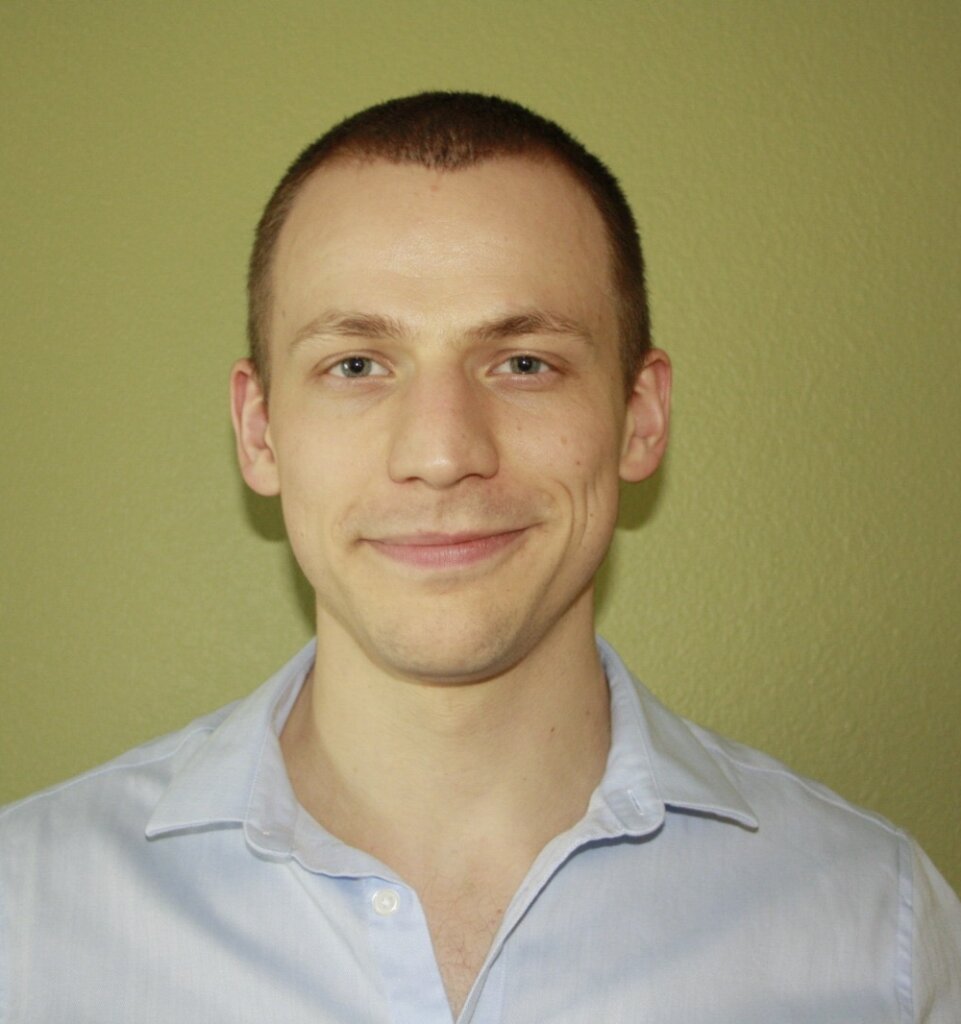
Nicholas Mikolajewicz – 2020 Fellowship Recipient
 Generously funded by William Donald Nash Brain Tumour Research Fellowship Recipient
Postdoctoral Researcher
Terrence Donnelly Centre for Cellular & Biomolecular Research
University of Toronto
Project Title: “Identifying transcriptional drivers of glioblastoma heterogeneity”
Description of project:
Glioblastoma Multiforme (GBM) remains an incurable brain cancer, largely due to its ability to transition and co-exist between multiple distinct states within individual patient tumours. Resistant GBM subpopulations are capable of evading immunotherapy and result in aggressive recurrent tumours with poor clinical outcomes. This project will use a combination of bioinformatic and genetic tools to identify gene expression regulators in GBM cells (i.e., transcription factors) that enable the reprogramming of heterogeneous GBM tumours into uniform states that are responsive to immunotherapy.
Candidate transcription factors that control the transition of GBM between different cell states will be identified using (i) a combination of single-cell transcriptomics and bioinformatics to map GBM-subtype-specific gene expression patterns to known gene regulators, and (ii) genome-wide CRISPR screens to identify genes that influence GBM immune resistance. GBM cells will then be genetically engineered to disrupt the functions of candidate transcription factors, thereby identifying specific genetic perturbations that reprogram GBM cells into uniform cell states for each GBM subtype. Ultimately, the growth of reprogrammed GBM tumours in mice receiving tumour-targeting T-cell transfers will be evaluated. This work will provide novel insights into the drivers of GBM heterogeneity and explore whether reprogramming GBM tumours can improve immunotherapy outcomes.
What receiving this award means to you:
Being awarded the William Donald Nash Brain Tumour Research Fellowship will allow me to develop an exciting project on glioblastoma that addresses one of the greatest challenges in cancer treatment: how do we treat something that actively evades conventional and emerging therapies? Emerging single-cell genomic technologies make this an exciting time for cancer research, as they provide tools to glimpse tumour heterogeneity and complexity at unprecedented single-cell resolution. Over the term of this fellowship, I will develop and apply these technologies to identify novel molecular targets that will reprogram glioblastomas to different states, with the aim of sensitizing these tumours to existing and emerging treatments. As a postdoctoral fellow, this fellowship is an incredible opportunity to develop my own ideas and apply my interdisciplinary training in statistics, cellular biology, and single-cell genomics to the complexities of glioblastoma. As a medical student, my excitement for this project cannot be overstated, as the support of this fellowship sets the stage for me to develop my eventual findings into novel and exciting therapies as a clinician-scientist. I am grateful to the Nash Family and the Brain Tumour Foundation of Canada for this generous opportunity and for supporting my aspirations towards becoming a clinician scientist.
Progress Update: August, 2021
Two distinct mouse models of glioblastoma, CT2A and GL261, were engrafted into mouse brains and subsequently profiled using single-cell transcriptomics to obtain high-resolution data characterizing the tumour and surrounding microenvironment. Using this approach, we found that mouse tumours recapitulated similar degrees of diversity as seen in patient tumours, thereby demonstrating the validity of these mouse models. Then, using a collection of public and in-house GBM datasets profiled using the same single-cell transcriptomic platform, we applied machine-learning methods to nominate candidate transcription factors that regulate GBM subtypes. Four candidate transcription factors were selected for experimental validation, and we are currently generating CRISPR-Cas9-mediated knockout cell lines that will eventually be engrafted and characterized in our validated mouse models. These experiments are expected to provide insight into how GBM subtypes are affected following genetic perturbation of various transcription factors, and whether a uniform state that is more responsive to therapy can be achieved.
Progress Update – August, 2022
Layman Summary of Progress (2021-2022)
Fellowship Progress Report (2021-2022)
Progress Report – August 2023
Two distinct mouse glioblastoma models, CT2A and GL261, were implanted into mouse brains. Subsequent single-cell transcriptomic profiling was employed to generate high-resolution data, effectively characterizing both the tumours and their surrounding microenvironment. With this approach, we found that the transcriptomic profile of tumours engrafted in mice resembled human glioblastomas, and that the mouse tumours were as diverse as patient tumours, thereby supporting the validity of these mouse models.
Additionally, functional genetic screenings conducted on CT2A and GL261 cells indicated that these models recapitulate several genetic dependencies unique to human GBM. This suggests that these mouse models share therapeutic vulnerabilities with their human counterparts.
Using a collection of public and in-house GBM datasets profiled using single-cell transcriptomics, we employed machine-learning methods to predict which transcription factors regulate GBM state. Using a complementary genome-wide CRISPR screening approach, we also identified genes that enable glioma cells to evade killing mediated by cytotoxic T lymphocytes (CTLs), macrophages and NK cells. Although this alternate approach did not yield any additional transcription factors, it did highlight the critical role of the autophagy pathway in regulating glioma-intrinsic immune evasion.
Among the transcription factors uncovered through the bioinformatic approach, four potential candidates were identified. Genetic perturbation of these transcription factors confirmed their role in regulating glioma cell state. Ongoing efforts aim to elucidate the impact of these perturbations on the surrounding immune microenvironment within these models. The anticipated outcome of these findings is a deeper understanding of how transcription factors influence GBM states and, in turn, shape the resulting immune responses.
Layman Summary of Progress (2022-2023)
Fellowship Progress Report (2022-2023)