A touchdown years in the making
Six years ago, doctors warned Jackson Giddy’s family that surgery to remove his brain tumour could leave him unable to walk.
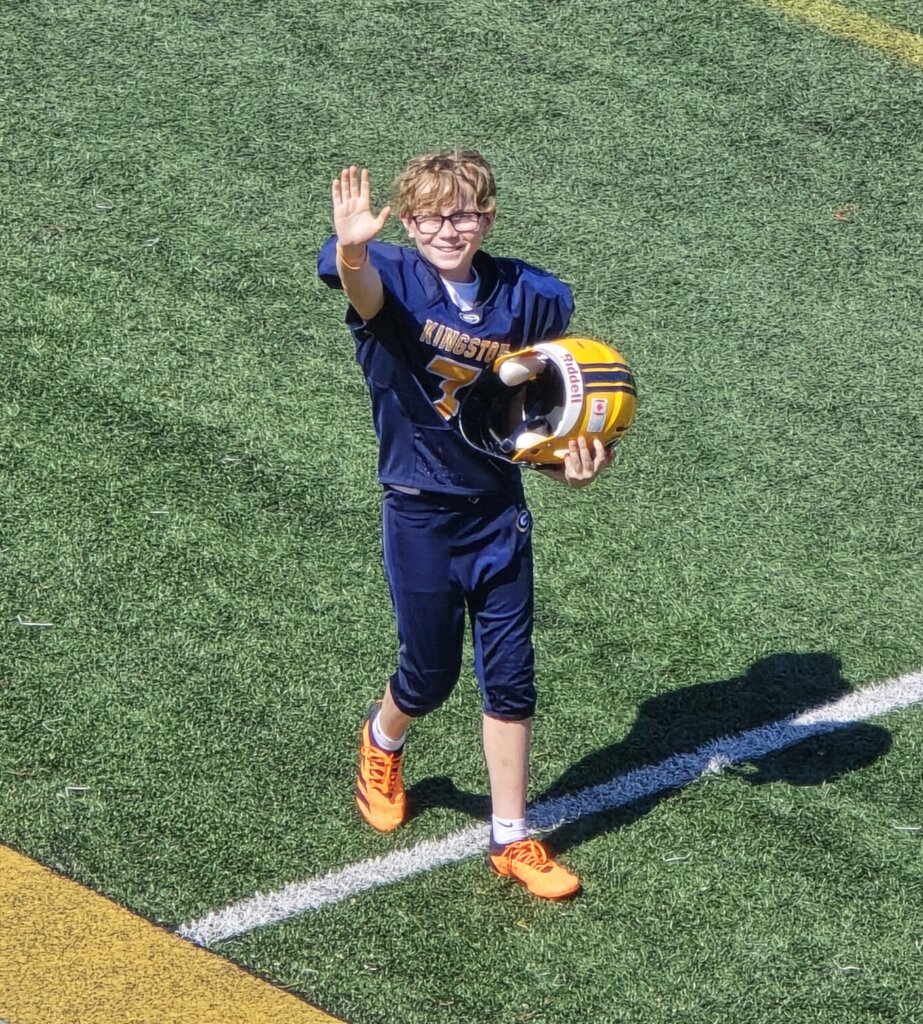
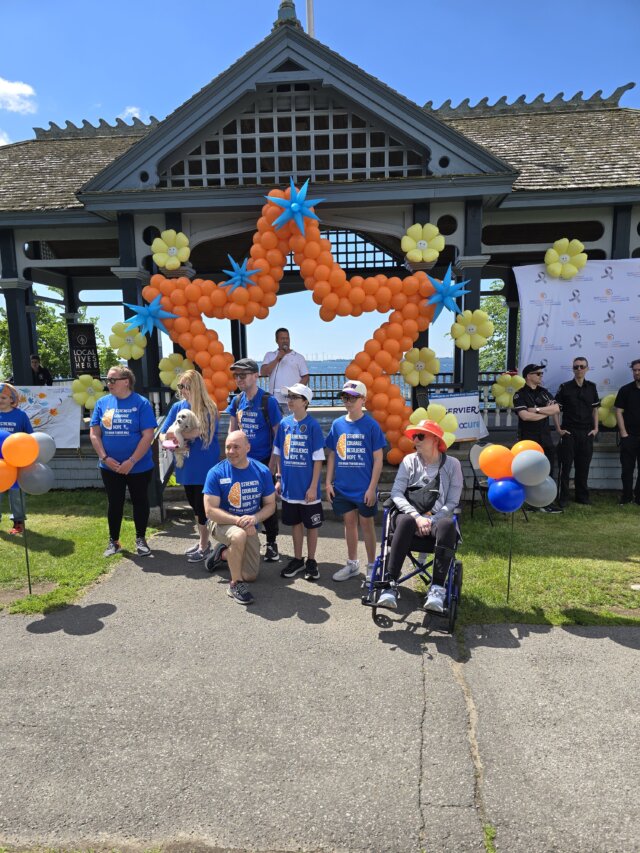
This June, the 11-year-old took to the field at Richardson Stadium at the Grens Tackle Tumour event, celebrating not only his love of football, but just how far he has come.
 For Jackson, football means something special. After years of restrictions and recovery, every game is a reminder that determination can overcome even the toughest challenges.
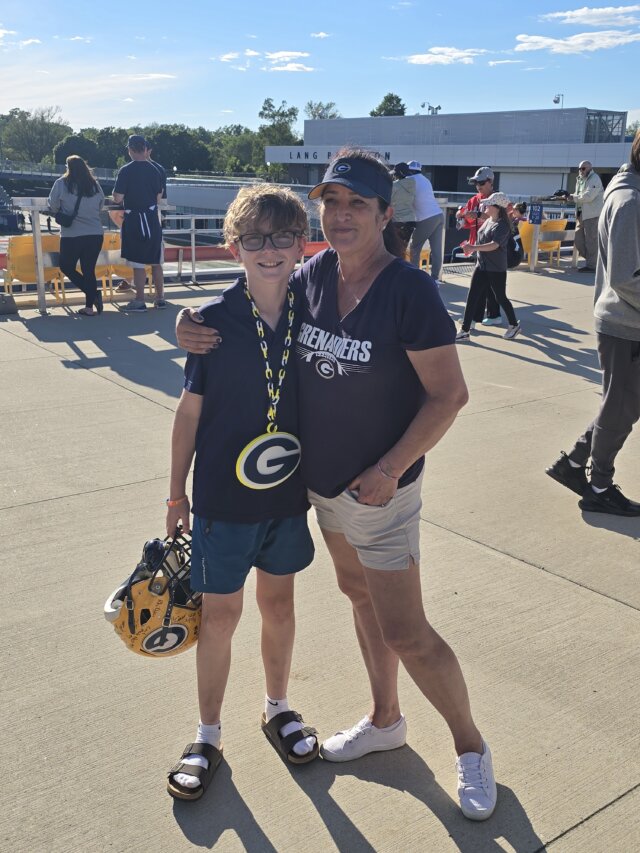
“He’s got a personality bigger than you can imagine,” says his mom, Kellie Maw. “He’s a comedian and a huge sports junkie.”
Whether it’s baseball, hockey, soccer, basketball or football, Jackson is happiest when he’s playing sports. After finally receiving clearance from his medical team, football has quickly become one of his greatest passions.
But there was a time when his family wasn’t sure what his future would hold.
Noticing changes
When Jackson was four years old, he began having severe headaches and shooting pains that would bring him to his knees.
“He’d curl up and say, ‘My head, my head,’” Kellie recalls.
For months, the family searched for answers. They spent Christmas in the hospital. Jackson experienced migraines, dizziness and worsening balance problems, but doctors repeatedly attributed his symptoms to other illnesses.
Everything changed one day when his school called to say he was walking into walls and struggling with dizziness. Kellie brought him to the Children’s Outpatient Centre at Hotel Dieu Hospital in Kingston, Ont., where the head of pediatric oncology happened to be on call.
She ordered an immediate CT scan.
 Less than an hour later, the family learned that Jackson had a brain tumour.
“A prisoner in his own body”
Diagnosed with a juvenile pilocytic astrocytoma in January 2019, Jackson was rushed three hours by ambulance to SickKids in Toronto for emergency surgery. The tumour was located on the right side of his cerebellum, affecting the area responsible for motor skills.
“There was a chance that he could essentially be a prisoner in his own body,” says Kellie. “There was a 50 per cent chance of that and a 50 per cent chance of death.”
Following surgery, Jackson lost his ability to walk. His left side was heavily affected, and he developed ataxia and nerve damage that caused one eye to turn inward.
But giving up simply wasn’t part of his plan.
“He had no give up in him,” says Kellie. “He didn’t want to be in a wheelchair. He absolutely just wanted to be up and running and doing his normal stuff.”
Through rehabilitation and physical therapy, Jackson relearned how to walk and regained his independence. Today, he walks without difficulty, wears corrective glasses and spends his days doing what he loves most.
Sports.
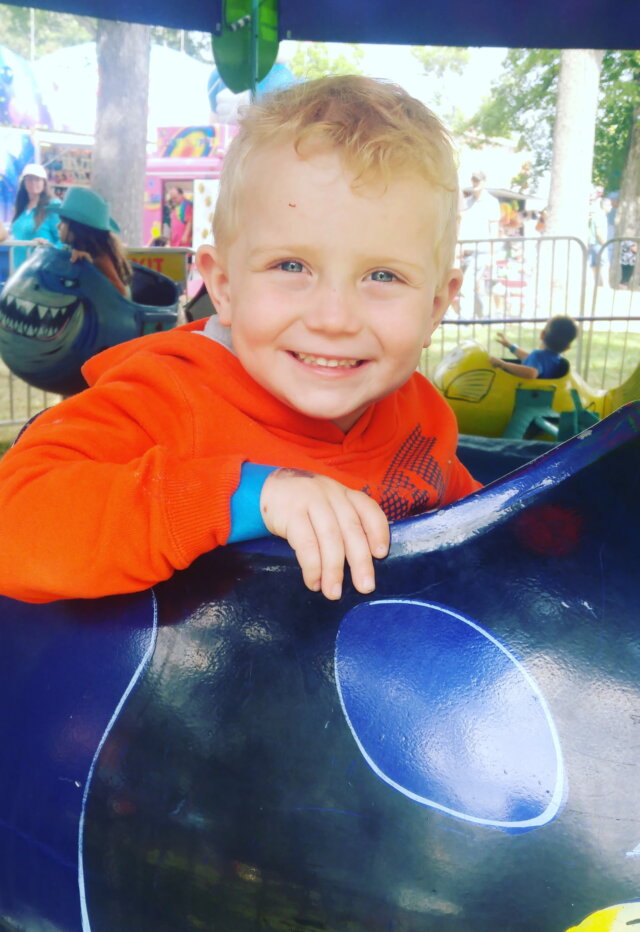 “There’s not much he doesn’t play,” says Kellie.
That passion made his role as SUPERKID at Grens Tackle Tumours especially meaningful.
Held annually in Kingston, the event features a day of youth football that culminates with the Dale Sands Memorial Game, raising funds to support research and programs for Canadians impacted by brain tumours.
Celebrating how far he’s come
For many, Jackson’s touchdown was a highlight of the day.
For his family, it represented something much bigger.
It was a celebration of perseverance, hope and a young boy who never stopped believing he could get back to doing what he loved.
“If you say he can’t do something, he will prove you wrong,” says Kellie. “Times a thousand.”